
Aluminum Ingot Manufacturing
A proposed value-added aluminum ingot manufacturing operation in the United States, designed around sustainable metal recycling, energy-efficient induction melting, controlled emissions, and specification-driven production for downstream industrial use.
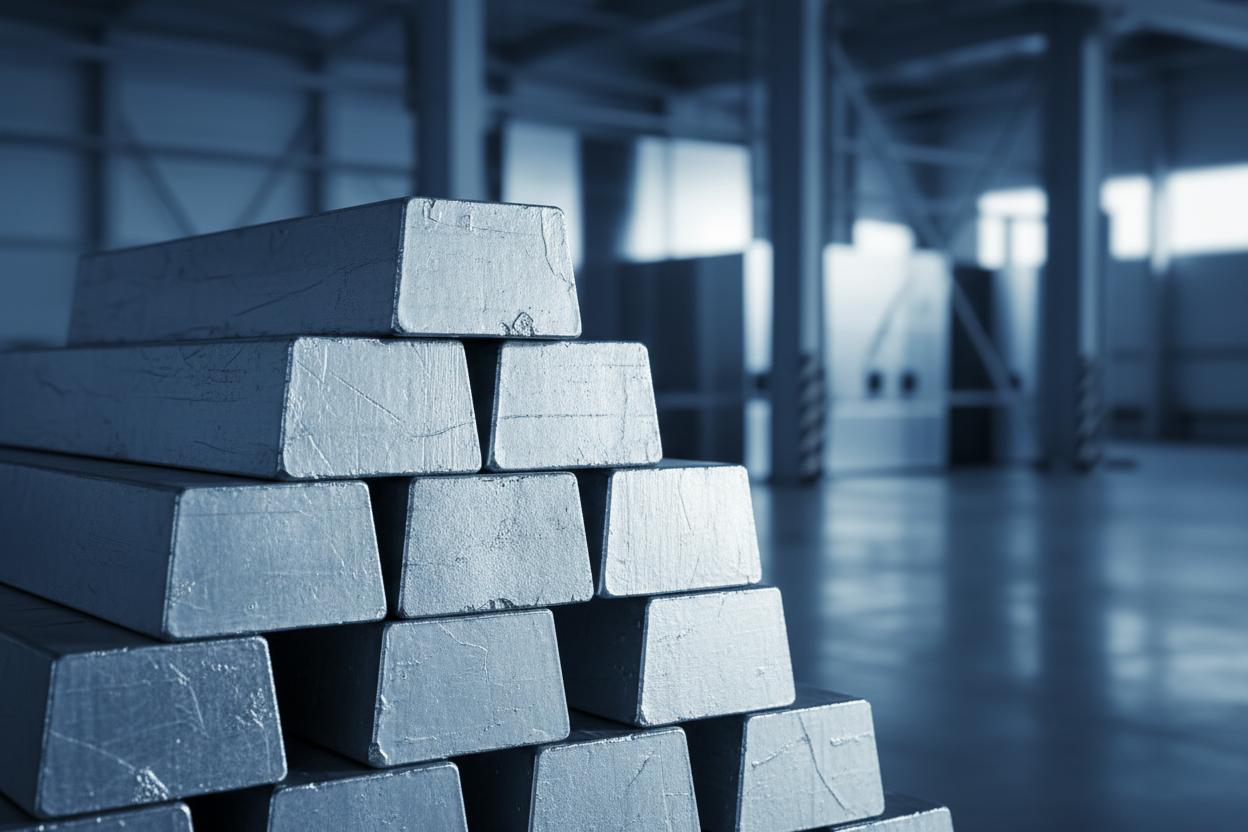

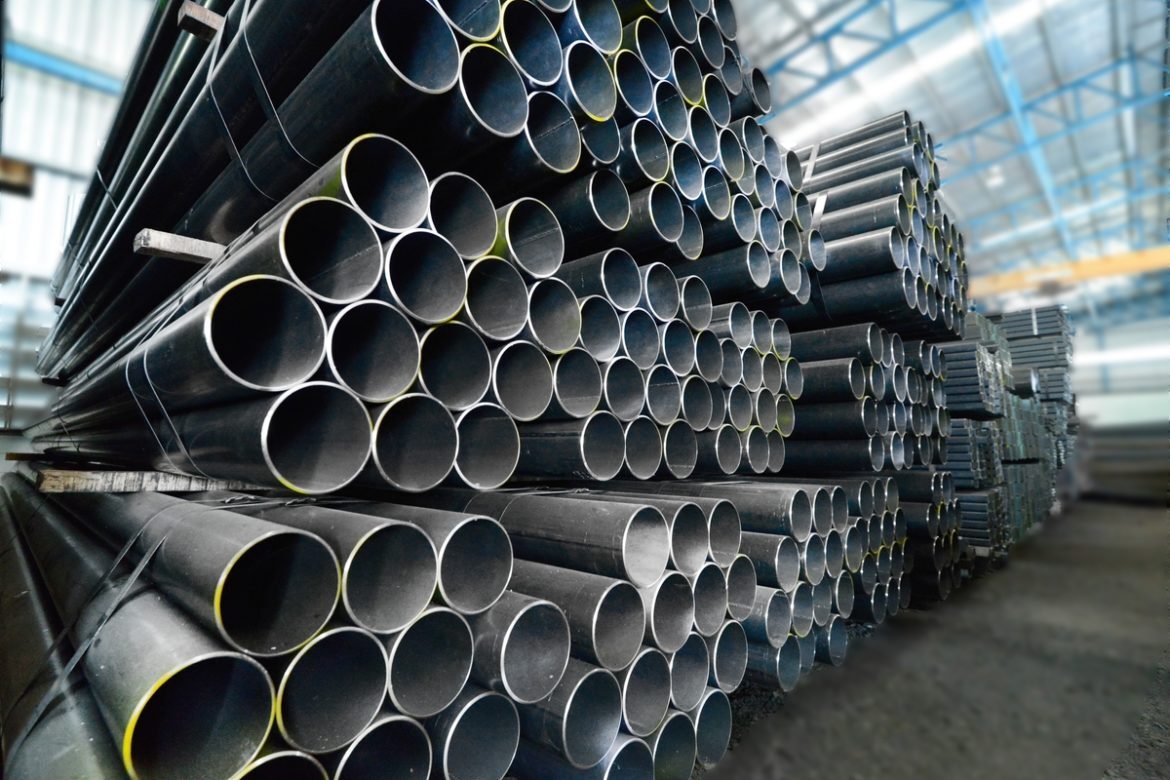
About Aluminum Ingot Manufacturing
TMIT is an international metals sourcing and industrial development company with active operations and supplier networks across the United States, Turkey, and China.
The proposed US facility focuses on aluminum ingot production for industrial and downstream manufacturing applications using clean aluminum scrap and an electrically powered induction melting process.
Industrial Aluminum Ingots
Manufacturing of aluminum ingots for downstream production and industrial use.
Clean Scrap Recycling
Converts clean aluminum scrap into reusable aluminum ingots while reducing reliance on primary aluminum production.
US Manufacturing Support
Designed to provide locally produced aluminum inputs for manufacturers and supply chain partners.
Electrically Powered Induction Melting
The facility is designed around a fully enclosed induction melting process focused on energy efficiency, process control, material yield, and reduced air emissions.
Scrap Selection & Handling
Clean aluminum scrap is received, sorted, and prepared for controlled recycling into industrial aluminum ingots.
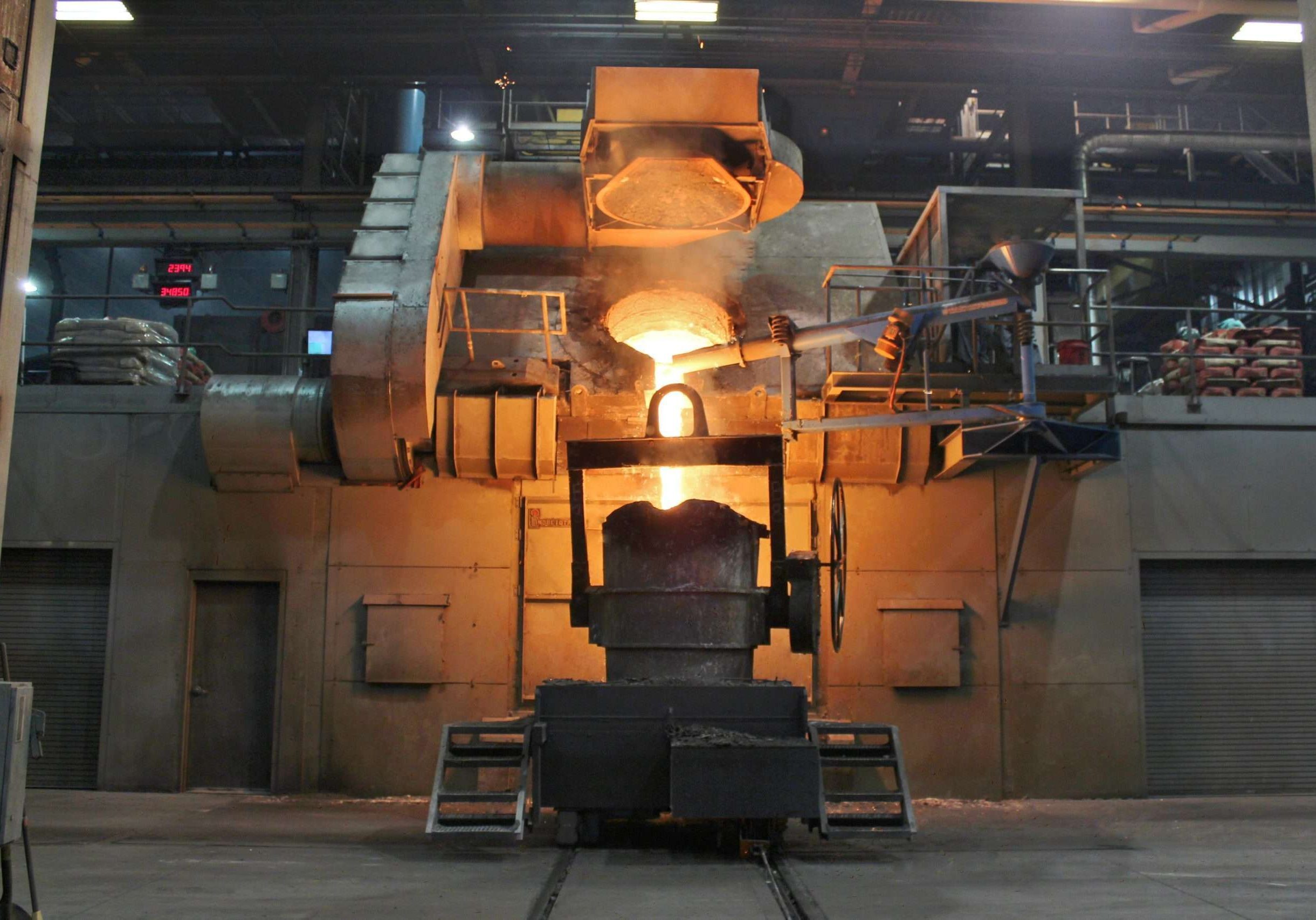
Induction Melting
Electric induction furnace technology melts aluminum without fuel combustion, open flame, or gas-fired equipment.
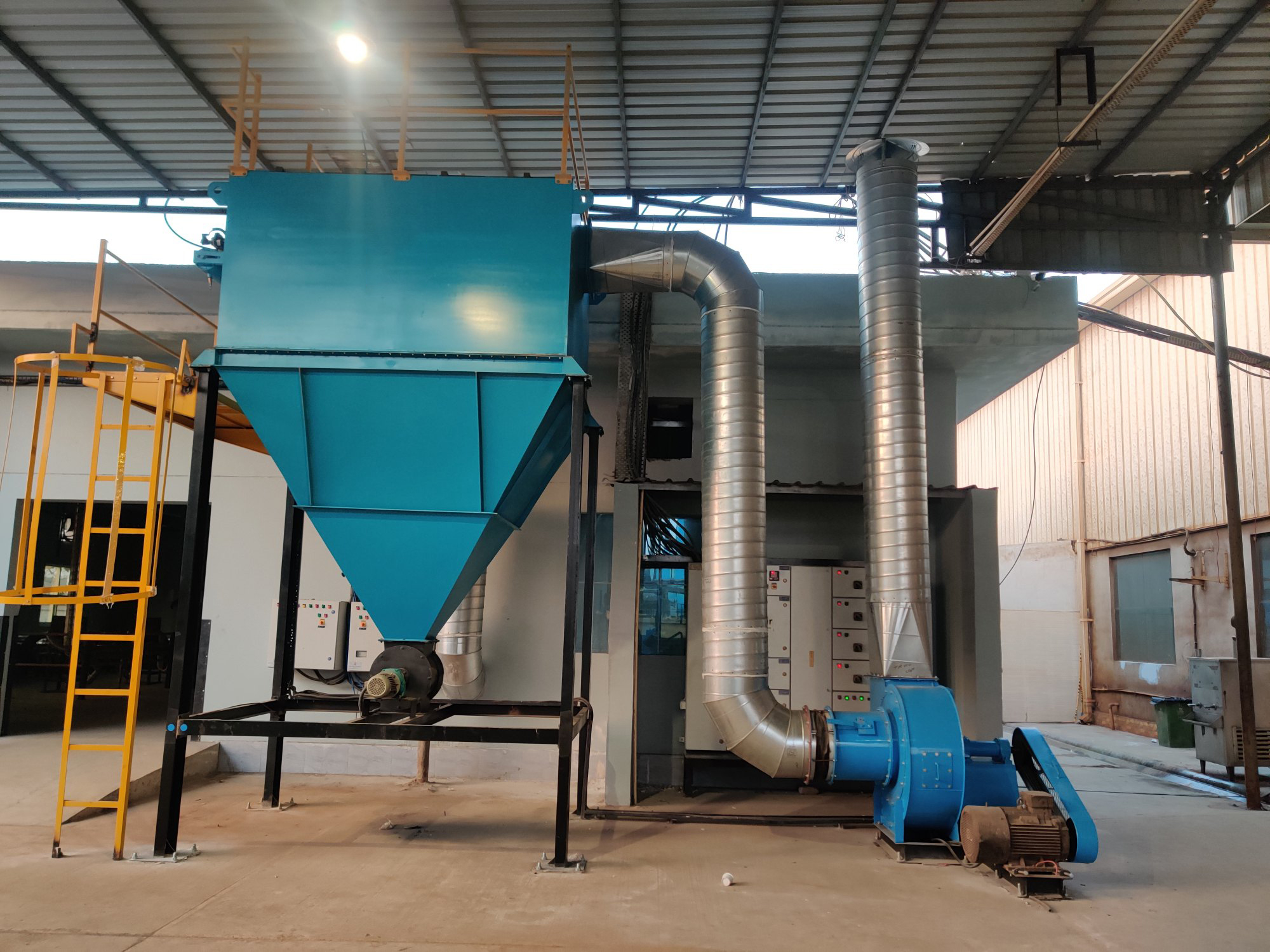
Air Capture & Control
Particulate matter is captured through enclosed hooding, ducting, and controlled collection systems before release.
Casting & Ingot Output
Molten aluminum is cast into ingots for downstream manufacturing, construction, and industrial applications.
Controlled Output for Downstream Manufacturing
Aluminum ingots for industrial and downstream manufacturing use.
Clean aluminum scrap processed through a recycling-focused production model.
Fully enclosed, electrically powered induction melting process.
Approximately 3.0 metric tons per hour design capacity.
Approximately 8,000-9,000 metric tons per year.
Approximately 10 hours per day, 22-25 days per month.
Sustainable, Controlled & Compliant
The facility design supports sustainable recycling, energy efficiency, material recovery, and environmental impact reduction.
Sustainable Metal Recycling
Clean aluminum scrap is converted into reusable aluminum ingots, supporting circular economy principles.
Energy Efficiency
Recycled aluminum production can consume up to 95% less energy than producing aluminum from raw material.
Minimal Air Emissions
No fuel combustion means carbon monoxide, nitrogen oxides, and sulfur oxides are not generated by the process.
Low Water Consumption
Closed-loop cooling supports minimal water usage with no routine industrial wastewater discharge.
Worker Safety Controls
Safety planning includes robotic handling, exclusion zones, PPE requirements, and training programs.
Industrial Reliability
Designed to serve manufacturers with dependable output, controlled standards, and practical scalability.
Air Emissions Quantified & Controlled
The process is engineered to control particulate matter and avoid major combustion-related pollutant formation.
Air Emissions Characteristics
Because the process does not involve combustion of fuels, several pollutants are not generated by the process.
- Carbon monoxide is not produced by fuel combustion
- Nitrogen oxides are not generated by flame-based heating
- Sulfur oxides are not produced from fuel combustion
- Minimal VOCs from flux usage only
Solid Waste Handling
Industrial by-products are managed through proper classification, storage, transport, and off-site disposal or recycling.
- Aluminum dross estimated around 1-3% of melt
- Wet ESP residue is managed by licensed recycler
- Spent refractory treated as non-hazardous waste
Water Use & Wastewater
The facility uses municipal water only for closed-loop cooling purposes.
- No process water usage
- No routine industrial wastewater discharge
- No direct discharge to surface waters
Built for Downstream Manufacturing
Aluminum ingots are essential inputs across multiple industrial supply chains. TMIT's proposed production model is designed to support consistent local supply for manufacturers requiring reliable recycled aluminum inputs.
Manufacturing & Fabrication
Supply input for companies producing aluminum-based parts, profiles, and industrial components.
Construction Materials
Support downstream construction-related production and aluminum material requirements.
Metal Supply Chains
Provide recycled aluminum input for industrial distributors, processors, and manufacturers.
Facility Overview
Design facts based on the proposed electrically powered induction melting facility.
Industrial Expertise with Regulatory Awareness
The proposed facility combines technical feasibility, environmental controls, and a clear permitting pathway.
Permitting Pathway
- Permit by Rule: Not applicable by design.
- Major NSR / PSD: Not triggered.
- Title V: Not required.
- Minor NSR: Correct permitting pathway.
Site & Operational Planning
- Environmental Site Assessment: Phase I ESA review, inspection, and interviews.
- Stormwater Plan: Controls runoff and prevents pollutant discharge.
- Building Permits: Structural, fire safety, and occupancy review.
- Trade Permits: Electrical, mechanical, and plumbing coordination.
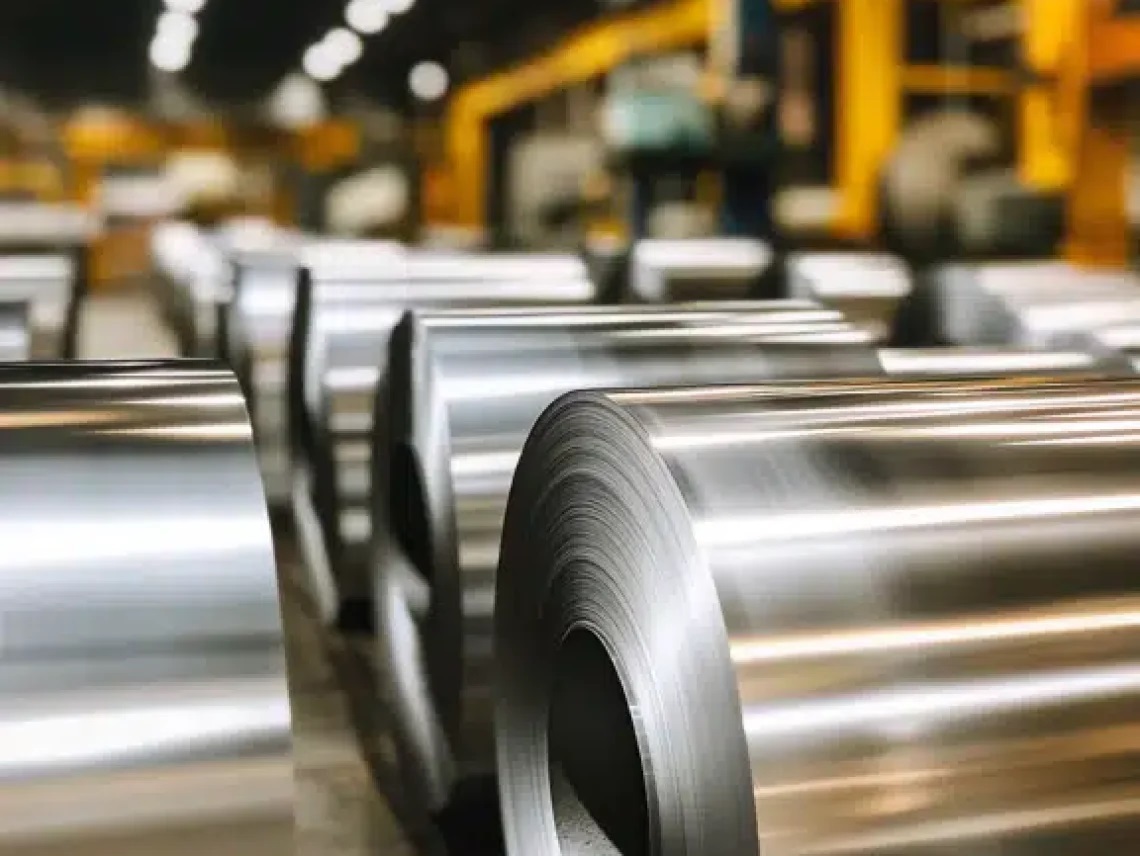
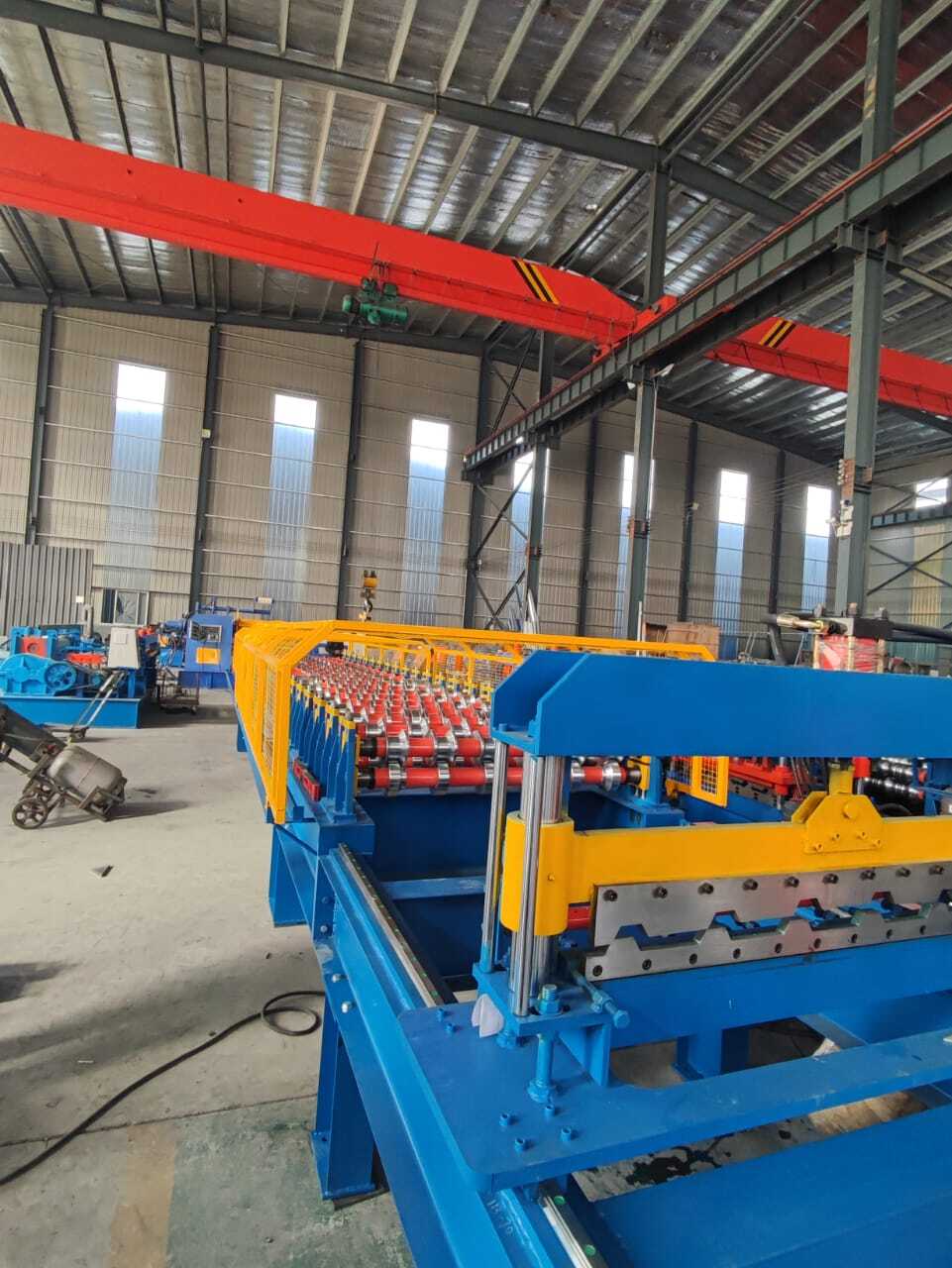
Factory & Material Visuals
A cleaner gallery layout with consistent image crops, spacing, captions, and balanced visual weight.

Need Reliable Aluminum Ingot Supply?
Connect with TMIT USA for quality-controlled, specification-driven aluminum ingot manufacturing designed for modern industrial supply chains.